

585-248-5250
Your Comprehensive Guide to the World of Dental Implants
March 12, 2024
Dental implants have revolutionized the field of dentistry, offering a permanent solution to missing teeth and restoring smiles with natural-looking results. If you’re considering dental implants or just want to learn more about this transformative procedure, you’ve come to the right place. In this comprehensive guide, we’ll delve into the world of dental implants, exploring everything from the basics to the latest advancements.
What Are Dental Implants?
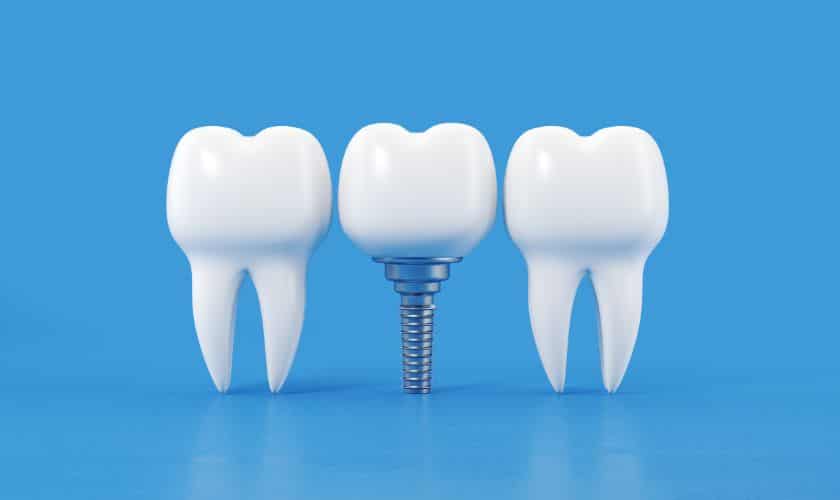
Dental implants are artificial tooth roots made of titanium that are surgically placed into the jawbone. Acting as a foundation for replacement teeth, they provide a stable and long-lasting solution for individuals with missing teeth.
The Components of Dental Implants
- Implant Fixture: This is the titanium post that is surgically inserted into the jawbone. It serves as the root of the artificial tooth.
- Abutment: The abutment connects the implant fixture to the replacement tooth. It acts as a connector and supports the crown.
- Crown: The crown is the visible part of the dental implant, designed to match the color and shape of your natural teeth. It is securely attached to the abutment, providing a functional and aesthetic replacement for the missing tooth.
The Dental Implant Process
Consultation and Assessment
The journey begins with a comprehensive consultation with your dentist or oral surgeon. They will evaluate your oral health, take X-rays, and discuss your medical history to determine if dental implants are the right option for you.
Surgical Placement
If you are a suitable candidate, the next step involves the surgical placement of the implant fixture into the jawbone. This procedure is typically performed under local anesthesia, and the healing process begins as the jawbone fuses with the implant in a process called osseointegration.
Healing and Osseointegration
Osseointegration is crucial for the success of dental implants. It involves the gradual bonding of the implant fixture with the surrounding jawbone, providing a solid foundation for the replacement tooth. This healing process can take several weeks to a few months.
Abutment Placement
Once osseointegration is complete, the abutment is attached to the implant fixture. This small connector protrudes above the gumline and serves as the anchor for the final crown.
Crown Placement
The final step is the placement of the crown onto the abutment. The crown is custom-made to match your natural teeth in both appearance and function, providing a seamless and durable replacement for the missing tooth.
Advantages of Dental Implants
A Natural Look and Feel
Dental implants closely mimic the appearance and function of natural teeth. The custom-designed crowns blend seamlessly with your existing teeth, and the stability provided by the implant allows for comfortable chewing and speaking.
Long-Term Durability
Unlike traditional bridges or dentures, dental implants in Pittsford offer a long-term solution. With proper care and maintenance, they can last a lifetime, making them a cost-effective and durable option for tooth replacement.
Improved Oral Health
Dental implants don’t require alterations to adjacent teeth, as is often the case with bridges. This preservation of surrounding teeth contributes to improved overall oral health.
Candidacy and Considerations
Are You a Candidate for Dental Implants?
While many individuals are suitable candidates for dental implants, certain factors such as overall health, jawbone density, and oral hygiene habits need to be considered. Your dentist will assess these factors during the initial consultation.
Factors to Consider
- Bone Density: Sufficient jawbone density is crucial for the success of dental implants. If your jawbone has atrophied, bone grafting may be necessary before implant placement.
- Overall Health: Certain medical conditions and lifestyle factors, such as smoking, can impact the success of dental implants. It’s essential to discuss your health history openly with your dentist.
- Commitment to Oral Hygiene: Good oral hygiene practices are vital for the longevity of dental implants. Regular dental check-ups and proper home care are necessary to prevent complications.
Potential Complications and Risks
Possible Complications
While dental implants have a high success rate, there are potential complications to be aware of, including:
- Infection: Infections can occur at the implant site, leading to inflammation and potential implant failure.
- Implant Failure: In rare cases, the implant may fail to integrate with the jawbone, requiring removal and possible replacement.
- Nerve Damage: The surgical placement of implants carries a slight risk of nerve damage, resulting in numbness or tingling in the surrounding areas.
Minimizing Risks
To minimize the risks associated with dental implants, it’s crucial to follow your dentist’s post-operative instructions, attend regular check-ups, and maintain excellent oral hygiene.
The Cost of Dental Implants
Understanding the Investment
The cost of dental implants can vary based on factors such as location, the number of implants needed, and any additional procedures required. While dental implants may have a higher initial cost compared to alternative tooth replacement options, their longevity and natural appearance make them a wise investment for many.
Insurance Coverage
Insurance coverage for dental implants varies, and not all plans provide comprehensive coverage. It’s essential to check with your insurance provider to understand the extent of your coverage and potential out-of-pocket expenses.
Emerging Technologies in Dental Implantology
3D Printing
Advancements in 3D printing technology have made a significant impact on the field of dental implantology. 3D printing allows for the precise fabrication of implant components, resulting in customized solutions that enhance the fit and functionality of dental implants.
Digital Impressions
Traditional dental impressions can be uncomfortable for patients. Digital impressions, using intraoral scanners, provide a more comfortable and efficient alternative. This technology allows for highly accurate impressions, contributing to the overall success of dental implant procedures.
Dental implants in Pittsford have transformed the landscape of tooth replacement, offering a reliable and aesthetically pleasing solution for individuals with missing teeth. As you embark on your journey to restore your smile, it’s essential to stay informed and work closely with your dental care team to ensure the best possible outcome. From understanding the implant process to considering candidacy and embracing emerging technologies, this comprehensive guide has equipped you with the knowledge to make informed decisions about your dental health. Embrace the possibilities that dental implants offer, and take the first step towards a confident and radiant smile.