

585-248-5250
How to Ensure a Successful Dental Implant Recovery
November 29, 2024
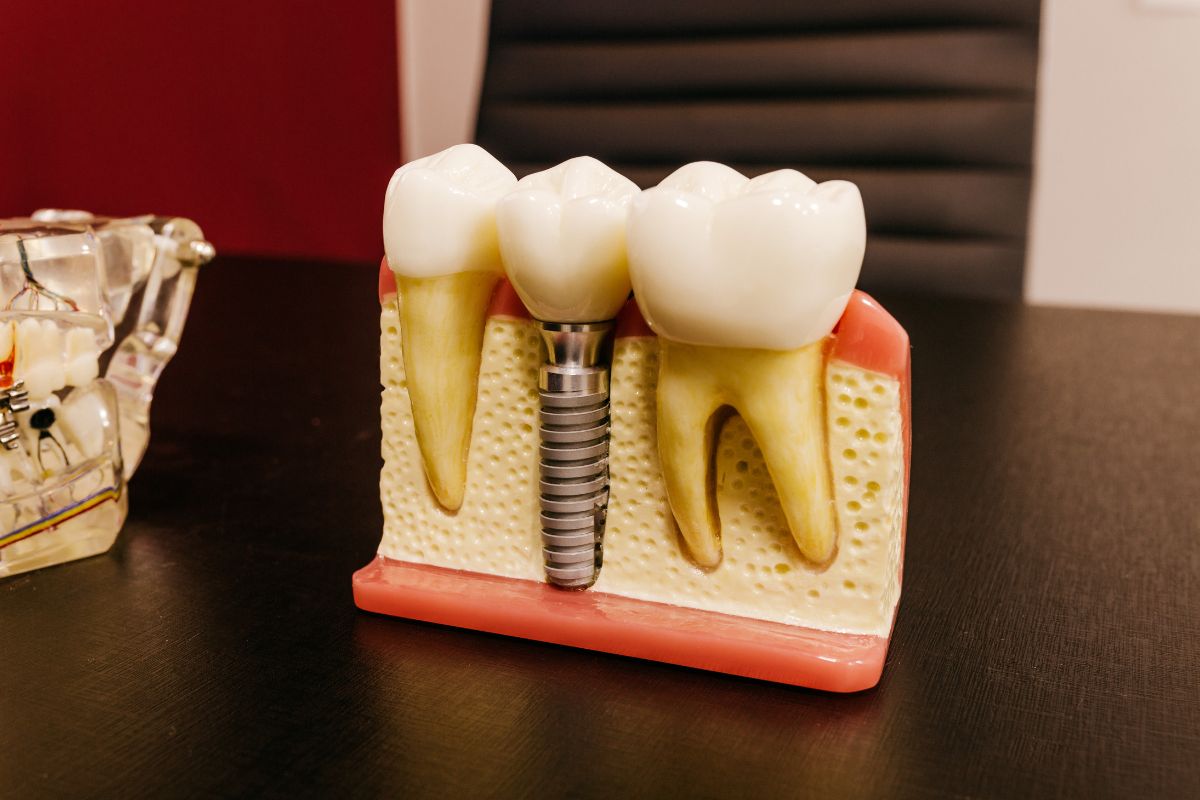
Dental implants are a popular and effective solution for replacing missing or damaged teeth. They provide a permanent, natural-looking alternative to dentures or bridges. However, like any surgical procedure, recovery after getting dental implants is crucial for the success of the treatment. Following the right aftercare practices can help you heal faster, avoid complications, and enjoy the full benefits of your new implants.
In this blog, we’ll cover the essential steps to ensure a smooth and successful dental implant recovery process.
1. Understand the Recovery Timeline
The recovery timeline for dental implants varies from person to person but generally follows a set pattern:
- First Week: This is the initial healing phase when most patients experience some swelling and discomfort. Your body begins to heal and adapt to the implant.
- First Month: The initial swelling should subside, and discomfort should lessen. During this time, osseointegration (the process of the implant fusing with the jawbone) begins.
- Several Months: Full osseointegration typically takes 3 to 6 months. Once complete, the implant is stable, and your dentist can proceed with placing the crown, bridge, or denture on top.
Following your dentist’s instructions throughout this timeline is the key to a successful recovery.
2. Follow Post-Surgery Instructions
Your dentist will provide specific post-surgery instructions, including how to care for your surgical site. Here are some common guidelines:
- Rest: Adequate rest is crucial during the first few days after surgery. Avoid any strenuous activities that might strain your healing body.
- Medication: Take prescribed painkillers or antibiotics exactly as directed to reduce discomfort and prevent infection.
- Ice Packs: Applying an ice pack to your face for 15–20 minute intervals can help reduce swelling.
- Oral Hygiene: Keep the surgical area clean, but avoid brushing directly over the implant site for the first few days. Use a soft-bristled toothbrush and rinse gently with a saltwater solution to promote healing.
3. Manage Pain and Swelling
Mild pain and swelling are normal after dental implant surgery. However, if pain becomes severe or swelling persists beyond a few days, contact your dentist. Here are some tips to manage discomfort:
- Pain Medication: Over-the-counter pain relievers like ibuprofen can help manage pain and reduce swelling. If your dentist prescribes medication, take it as instructed.
- Elevate Your Head: Sleeping with your head elevated on pillows can help minimize swelling, especially in the first few nights.
- Avoid Hot or Cold Foods: In the first 24-48 hours, stick to cool or lukewarm foods and liquids. Extremely hot or cold foods can irritate the surgical site.
4. Follow Dietary Recommendations
After dental implant surgery, it’s essential to be mindful of what you eat, especially during the first few days when the implant site is healing. Eating the right foods can promote healing and prevent complications.
- Soft Foods: Stick to soft, easy-to-chew foods like yogurt, mashed potatoes, soup, and smoothies. Avoid hard, crunchy foods that could irritate the surgical site.
- Avoid Smoking and Alcohol: Smoking and alcohol can interfere with the healing process. Avoiding them for at least 2-3 weeks after the procedure is recommended.
5. Practice Gentle Oral Care
While keeping your mouth clean during recovery is essential, you should be gentle to avoid irritating the surgical site.
- Saltwater Rinse: After the first 24 hours, gently rinse your mouth with warm saltwater to help keep the area clean and promote healing. Avoid using commercial mouthwashes with alcohol, as they may irritate the area.
- Brushing: Once your dentist gives the okay, resume brushing your teeth with a soft-bristled toothbrush. Be careful not to brush directly over the implant site during the first few days.
6. Monitor for Complications
Though dental implant surgery is generally safe, there are potential risks and complications. Some common signs of complications to watch for include:
- Infection: Signs of infection can include fever, increasing pain, or a bad taste in the mouth. If you suspect an infection, contact your dentist immediately.
- Excessive Bleeding: Some bleeding after surgery is normal, but if you notice excessive bleeding that doesn’t stop after applying pressure, seek immediate attention.
- Implant Movement: If you notice any unusual movement in the implant or if it feels loose, contact your dentist as soon as possible.
7. Attend Follow-Up Appointments
After your dental implant surgery, you’ll need to attend follow-up appointments with your dentist. These appointments are critical to ensure that your implant is healing properly and to monitor the progress of osseointegration. Your dentist will also check for any signs of infection or other issues that may arise during the recovery process.
8. Stay Patient During the Healing Process
It’s important to be patient during the healing process. Full osseointegration takes time, and while you may feel better after the first week, your implant may not be fully stable until several months later. Avoid rushing back into physical activities, especially those that could put a strain on your mouth, during the healing period.
9. Avoid Strenuous Activities
Intense physical activity, including exercise, can increase blood flow and put stress on your body. This can interfere with the healing process and increase the risk of complications. Your dentist will likely recommend avoiding vigorous physical activity for several weeks after surgery, so be sure to follow their advice.
10. Maintain Long-Term Care
Once your dental implant is fully healed, it’s important to maintain a good oral hygiene routine to keep the implant and surrounding gum tissue healthy. Regular brushing, flossing, and professional dental cleanings will help prevent infection and ensure the long-term success of your implant.
Conclusion
Ensuring a successful dental implant recovery involves following your dentist’s instructions, managing pain and swelling, practicing good oral hygiene, and monitoring for complications. While the process may take several months, the result—a strong, functional, and natural-looking replacement tooth—will be well worth the effort. By following these recovery tips and being patient, you can look forward to a successful recovery and enjoy the many benefits of your dental implant. If you’re looking for a trusted dental implant provider in Pittsford, don’t hesitate to reach out to schedule a consultation and start your journey to a healthier, more confident smile.