

585-248-5250
How Long Before Dental Implants Feel Normal?
January 2, 2025
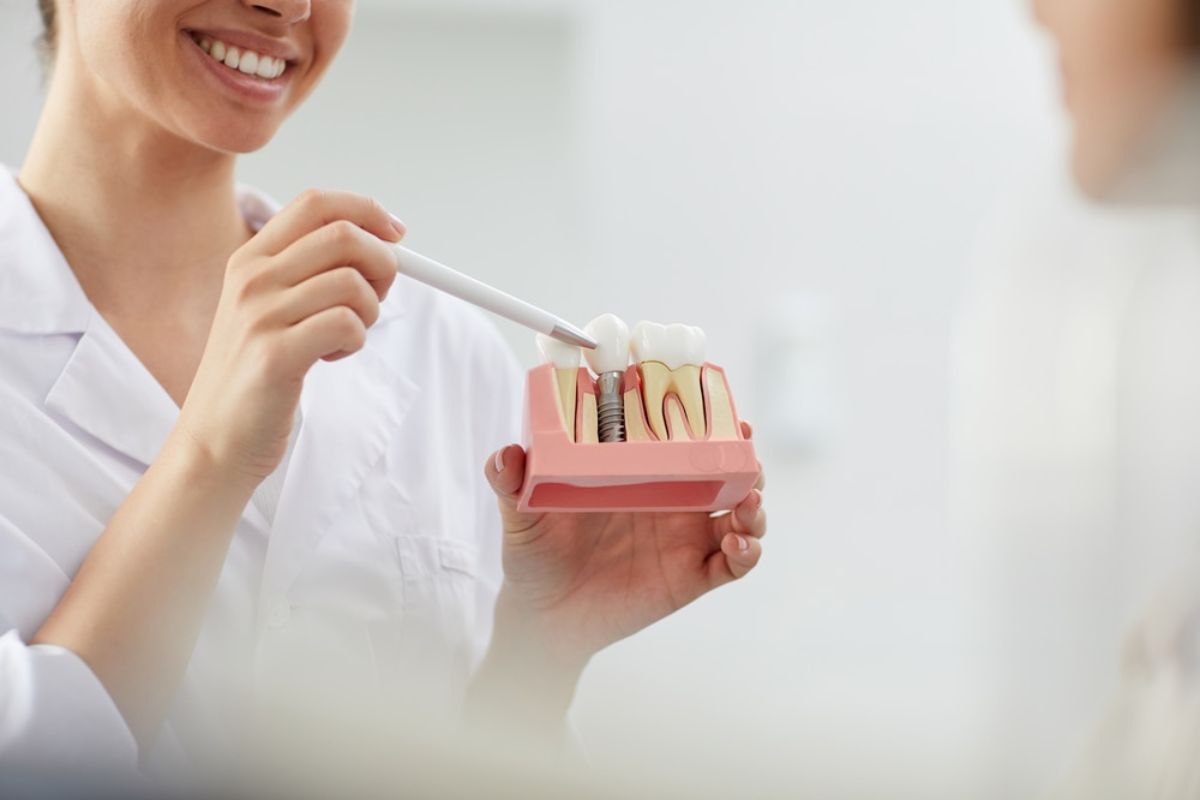
Dental implants are an excellent solution for replacing missing teeth and restoring both function and appearance to your smile. However, as with any surgical procedure, it takes time for the body to adjust. If you’re considering dental implants or have recently received them, you may be wondering how long it will take before your new implants feel like your natural teeth. In this blog, we’ll walk you through the stages of healing and common experiences and provide you with a timeline to help set your expectations.
What Are Dental Implants?
Dental implants are a popular and effective solution for replacing missing or severely damaged teeth. The procedure involves placing a titanium post into the jawbone, which serves as an artificial root for a replacement tooth or bridge. Over time, the bone fuses with the implant through a process called osseointegration, which provides stability and strength to the implant.
The Healing Process After Getting Dental Implants
After your dental implant surgery, the healing process can vary from person to person. Several factors influence how long it will take for your implants to feel normal again, including the location of the implant, your overall health, and how well you follow your dentist’s post-op instructions.
Here are the main stages of healing:
1. Immediate Post-Surgery Healing (First Few Days to Weeks)
Right after the surgery, you may experience swelling, bruising, and some discomfort. This is a normal part of the healing process. Your dentist will likely prescribe pain medications and may recommend ice packs to reduce swelling. It’s important to follow the instructions carefully during this phase to ensure proper healing.
You may also be advised to stick to soft foods and avoid chewing on the implant site to prevent stress on the implant. During this time, the implant is integrating with your jawbone, so it’s crucial to protect the area from any unnecessary trauma.
2. Osseointegration (6-12 Weeks)
Osseointegration is the process by which your jawbone fuses with the titanium implant. This stage can last anywhere from 6 to 12 weeks, depending on how quickly your body heals. During this phase, your implant will gradually become more secure as the bone grows around it.
While you may feel a certain degree of discomfort during this time, the majority of patients can return to normal activities within a few days to weeks, as long as they avoid putting excessive pressure on the implant site. However, it’s still important to schedule regular follow-up appointments with your dentist to monitor the healing process.
3. Placing the Abutment and Crown (3-6 Months)
Once osseointegration is complete, your dentist will place the abutment – a small connector that holds the artificial tooth in place. After the abutment is attached, a temporary crown may be placed until your custom permanent crown is ready. Some patients may experience minor soreness or sensitivity after this step, but these symptoms generally subside within a few days.
By this point, most patients are able to return to their regular diet and lifestyle without much discomfort, although it may take a little longer for the implant to feel like a natural part of your mouth.
How Long Before Dental Implants Feel Like Normal Teeth?
After the surgery and the placement of your permanent crown, it may take a few months before your dental implants feel completely natural. On average, it can take anywhere from 3 to 6 months for the implants to feel like your natural teeth. However, this timeline can vary depending on several factors, including:
1. The Location of the Implant
Implants placed in the upper jaw may take longer to heal and feel normal compared to those placed in the lower jaw. The bone density in the lower jaw tends to be greater, allowing for quicker osseointegration.
2. Bone Quality and Density
The quality of your jawbone also plays a role in how long it takes for dental implants to feel normal. If you have lower bone density, additional procedures like bone grafting may be necessary, which can extend the healing process.
3. Your Overall Health
Your general health can impact the speed of your recovery. Smokers or individuals with certain medical conditions (such as diabetes) may take longer to heal than others. It’s essential to discuss your health history with your dentist before the procedure to ensure you’re a good candidate for dental implants.
4. The Type of Implant
In some cases, immediate implants may be placed right after a tooth extraction. In these instances, the healing time can vary, as the implant may need to integrate with the bone before the final restoration is applied.
Managing Discomfort During the Healing Process
While it’s common to experience some discomfort after receiving dental implants, it’s important to manage pain properly. Here are a few tips to make the recovery process more comfortable:
- Follow your dentist’s aftercare instructions carefully.
- Use pain medications as directed to keep the discomfort under control.
- Avoid hard or sticky foods that could disrupt the healing process.
- Practice good oral hygiene, but be gentle around the implant site.
When Should You Contact Your Dental Implant Provider?
Although most patients experience a smooth recovery, it’s important to be aware of any signs that may indicate complications. Contact your dental implant provider if you experience:
- Severe or persistent pain that doesn’t improve with medication
- Unusual swelling or redness
- Any signs of infection, such as pus or fever
- Difficulty chewing or speaking
If you experience any of these symptoms, it’s crucial to consult your dental provider as soon as possible to prevent further issues.
While the healing process for dental implants varies from person to person, most people can expect their implants to feel normal within 3 to 6 months after the procedure. Following your dentist’s instructions and maintaining regular check-ups will help ensure a smooth recovery. If you’re considering dental implants, it’s important to choose a skilled dental implant provider who can guide you through every step of the process.
If you’re looking for a trusted Dental Implant provider, schedule a consultation today to find out how dental implants can help restore your smile!