

585-248-5250
Dental Implants Safety: Risks, Benefits, Success Rate
April 20, 2026
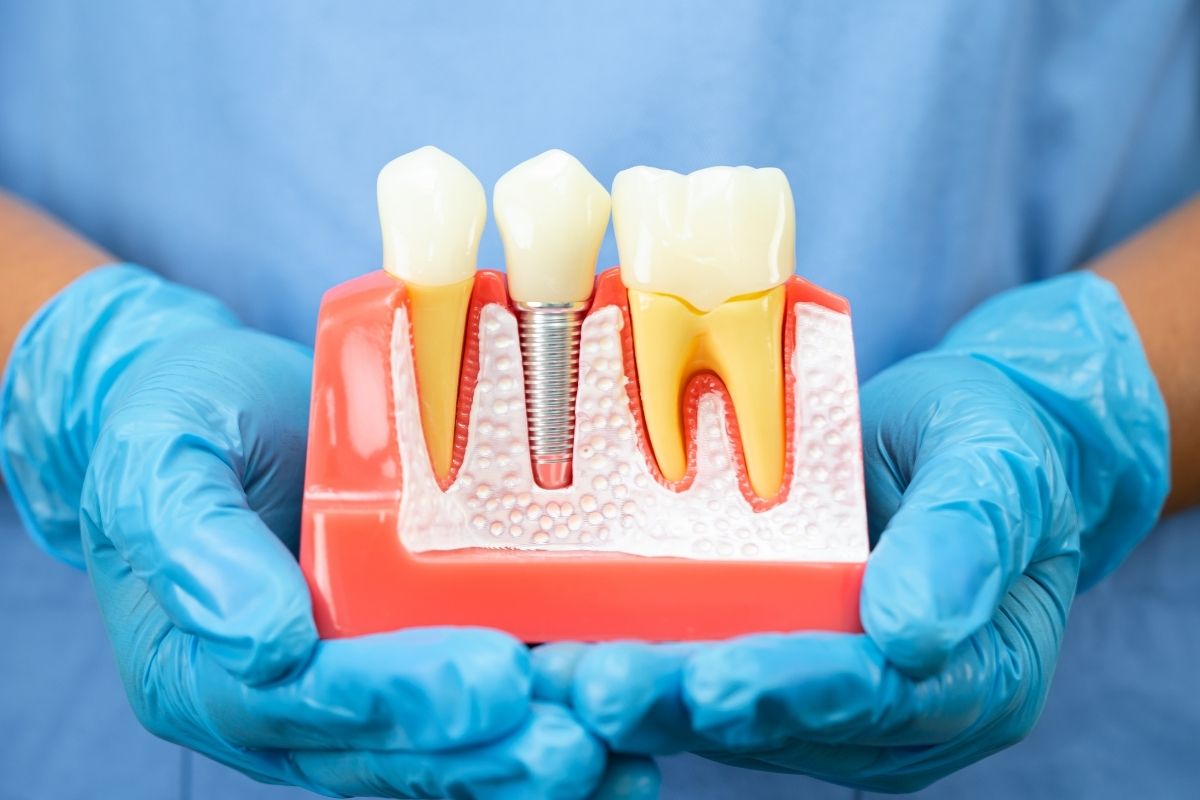
Missing teeth affects more than your smile. They can change how you eat, speak, and feel day to day. Many patients today consider implants because they offer a long-lasting, natural-looking solution. Still, it is normal to ask whether they are safe, what the risks look like, and how successful they really are. This guide breaks it all down in plain terms so you can make a confident, informed decision.
In modern dentistry, dental implant surgery is a well-researched procedure with a strong track record. When performed with proper planning and care, it is considered a safe and predictable option for replacing missing teeth.
Understanding Safety: What Makes Implants Reliable
Dental implants have been used for decades, and the process has improved with advanced imaging and precise placement techniques. The implant itself is typically made of biocompatible titanium, which bonds with your jawbone over time.
Careful Planning Matters
Dentists evaluate your oral health, bone density, and medical history before recommending implants. This reduces the chance of complications and helps ensure the implant integrates properly.
Skilled Placement and Healing
A controlled surgical approach and proper aftercare play a major role in safety. Healing time allows the implant to fuse with the bone, creating a stable foundation for a replacement tooth.
Ongoing Maintenance
Good oral hygiene and regular dental visits help protect the implant and surrounding tissue. Just like natural teeth, implants need consistent care to stay healthy.
Risks You Should Know About
Every dental procedure comes with some level of risk, even when it is routine. The key is understanding what is possible and how often these issues occur.
- Infection at the implant site
This is uncommon and usually preventable with proper care and follow-up visits. - Implant not integrating with the bone
In rare cases, the implant may not fuse properly, especially if the bone quality is low or healing is disrupted. - Nerve or tissue sensitivity
Some patients may feel temporary numbness or discomfort, depending on the implant location. - Sinus concerns for upper implants
When placing implants in the upper jaw, careful positioning avoids sinus complications.
Most risks are manageable and can be minimized with an experienced dental team and clear post-procedure instructions.
Benefits and Long-Term Success
Dental implants stand out because they do more than fill a gap. They support overall oral health and daily function in ways other options may not.
- Natural look and feel
Implants are designed to match your existing teeth, helping you smile and speak with confidence. - Strong and stable
They stay firmly in place, allowing you to eat a wide range of foods without worry. - Bone preservation
Implants stimulate the jawbone, helping prevent the bone loss that often follows tooth loss. - Long-lasting solution
With proper care, implants can last many years, often decades.
What About Success Rates?
Studies consistently show success rates above ninety percent for healthy patients. Factors like smoking, uncontrolled health conditions, and poor oral hygiene can affect outcomes. With the right habits and regular checkups, most patients enjoy reliable, long-term results.
Is It the Right Choice for You
Choosing implants is a personal decision. If you have healthy gums, adequate bone support, and are committed to oral care, you may be a strong candidate. A consultation helps determine what works best for your situation and expectations. Patients in Pittsford often choose this option because it blends durability with a natural appearance.
Ready to Take the Next Step Toward a Stronger Smile?
If you are thinking about restoring your smile, here is how to get started:
- Schedule a one-on-one consultation to evaluate your needs
- Get a clear treatment plan tailored to your goals
- Ask questions about healing, comfort, and long-term care
- Move forward with confidence, knowing your options
At Pittsford Family Dental, we focus on making every step comfortable and clear. Visit our dental office in Pittsford to talk through your options and see if implants are right for you. Your healthier, more confident smile can start with a simple conversation.
FAQs :
Are dental implants painful?
Most patients report minimal discomfort. Dentists use local anesthesia, and recovery is usually manageable with simple care.
How long does the process take?
It can take a few months from placement to final restoration, depending on healing time and individual needs.
Who should avoid implants?
Patients with certain health conditions or insufficient bone may need alternative options or additional treatment first.
How do I care for an implant?
Brush, floss, and keep regular dental visits. Maintenance is similar to caring for natural teeth.
Do implants look natural?
Yes, they are designed to blend in seamlessly with your smile.