

585-248-5250
What to Do If a Child Chips or Breaks a Tooth
February 4, 2026
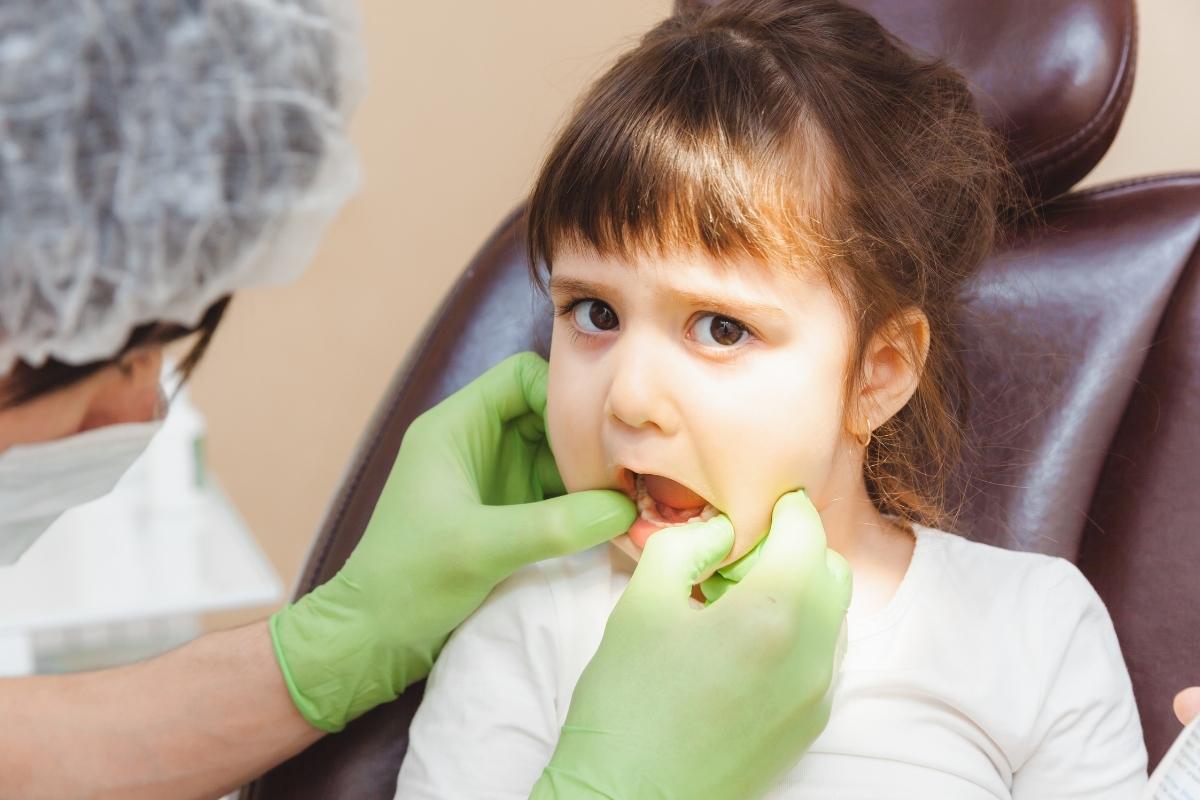
Accidents happen, especially with kids. A fall on the playground, a bump during sports, or even a bite of something hard can lead to a chipped or broken tooth. Knowing how to respond quickly can make a huge difference in preserving your child’s smile and preventing further complications.
Recognize the Signs
A chipped or broken tooth may seem obvious, but sometimes the damage is subtle. Here’s what to look for:
- A visible chip or crack in the tooth
- Sharp edges that can cut the tongue or cheek
- Tooth sensitivity to cold, heat, or pressure
- Pain when biting or chewing
- Swelling or bleeding around the tooth
Even if the pain seems minor, it’s important not to ignore it. Small chips can worsen over time or lead to infection.
Immediate Steps to Take
When a tooth is chipped or broken, acting quickly helps protect the tooth and your child’s comfort.
- Stay Calm and Comfort Your Child
Kids may feel scared or anxious. Reassuring them helps reduce stress, which can also slow down swelling or bleeding. - Rinse the Mouth
Gently rinse the area with warm water to clean it. Avoid scrubbing, which could aggravate the tooth or gums. - Control Bleeding
If there’s bleeding, use a clean piece of gauze or a soft cloth and apply gentle pressure for 10–15 minutes. - Protect the Tooth
If the tooth has a sharp edge, you can cover it with sugarless gum or dental wax to prevent cuts inside the mouth. - Save Any Broken Pieces
If a piece of the tooth comes off, keep it in a small container with milk or saline. Sometimes the dentist can reattach it.
When to Contact a Dentist
Even minor chips should be evaluated by a dental professional. A pediatric dental specialist can determine the best treatment for your child, whether it’s smoothing the edge, applying a filling, or a more advanced restoration.
Contact your dentist as soon as possible if:
- The tooth is completely knocked out
- There is severe pain or swelling
- Your child has difficulty eating, speaking, or drinking
- The tooth looks displaced or loose
Getting care quickly can prevent infection, nerve damage, or long-term alignment problems.
Treatment Options
Treatment depends on the severity of the chip or break. Options may include:
- Smoothing and Polishing: Minor chips can be reshaped and polished to restore the tooth’s appearance.
- Dental Bonding: A tooth-colored material can rebuild the chipped area for a natural look.
- Crowns: For larger breaks, a crown may be needed to protect and strengthen the tooth.
- Root Canal: When the nerve is damaged, a root canal may be necessary before restoration.
A pediatric dental specialist ensures the treatment suits your child’s age, growth, and oral health.
Preventing Future Breaks
While accidents can’t be fully prevented, a few strategies reduce risk:
- Encourage wearing mouthguards during sports
- Avoid chewing on hard objects like ice or pens
- Reinforce safe play habits
- Maintain regular dental checkups to monitor tooth strength and alignment
Protect Your Child’s Smile Today in Pittsford, NY
Don’t wait until your child experiences a dental injury. Visit our dental clinic in Pittsford, NY, where our experienced team can provide immediate, gentle care to restore their smile and comfort. From minor chips to more serious breaks, we treat each child with personalized attention and the latest pediatric dental techniques. Keep your child smiling confidently—reach out to Pittsford Family Dental today!
Quick FAQ: Chipped or Broken Tooth in Kids
Here’s what parents often want to know:
Q: Can a baby tooth be repaired if it breaks?
A: Yes. Baby teeth can often be smoothed or repaired with bonding. Treatment helps protect surrounding teeth and gums.
Q: How long can I wait to see a dentist?
A: Ideally, you should call the dentist immediately. Delaying care increases the risk of infection and further damage.
Q: My child isn’t in pain. Do I still need to go?
A: Absolutely. Even pain-free chips can affect bite, jaw growth, and tooth health.
Q: What if my child knocks the tooth out completely?
A: Keep it in milk or saline and contact your dentist immediately. Quick action improves the chance of saving the tooth.