

585-248-5250
Can You Reverse Poor Oral Hygiene?
January 16, 2025
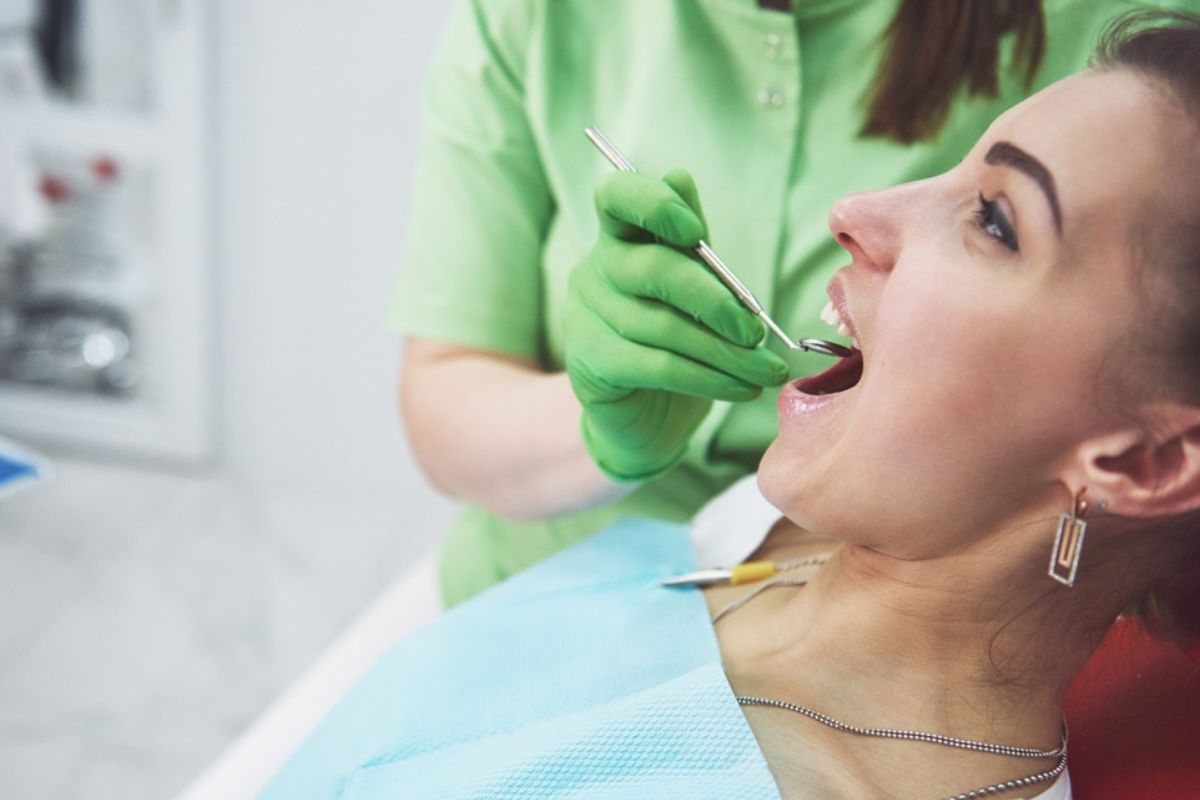
Oral hygiene plays a crucial role in maintaining not only your dental health but also your overall well-being. Poor oral hygiene can lead to various issues, such as cavities, gum disease, and bad breath, which, if left unchecked, may cause more severe health problems. But the good news is that poor oral hygiene can often be reversed with consistent effort and proper care. In this blog, we’ll explore the impact of poor oral hygiene, signs to watch for, and practical steps to restore your dental health.
The Impact of Poor Oral Hygiene
Neglecting your oral health doesn’t just affect your teeth; it has far-reaching consequences that can impact your entire body. Here are some of the common issues associated with poor oral hygiene:
1. Cavities and Tooth Decay
Without regular brushing and flossing, plaque builds up on the teeth. This sticky substance harbors bacteria that erode enamel, leading to cavities and eventual tooth decay.
2. Gum Disease
Gingivitis, the earliest stage of gum disease, can progress to periodontitis, a more severe condition that may result in gum recession, loose teeth, and even tooth loss.
3. Bad Breath (Halitosis)
Failing to clean your teeth and tongue allows food particles and bacteria to accumulate, resulting in persistent bad breath.
4. Systemic Health Problems
Poor oral hygiene has been linked to serious health issues like heart disease, diabetes, and respiratory infections. The bacteria in your mouth can enter your bloodstream, causing inflammation and complications throughout the body.
Signs of Poor Oral Hygiene
Not sure if your oral hygiene needs improvement? Here are some telltale signs that you should address immediately:
- Bleeding Gums: Bleeding when brushing or flossing is often a sign of gingivitis.
- Persistent Bad Breath: Chronic halitosis may indicate plaque buildup or gum disease.
- Discoloration or Staining: Yellow or brown spots on teeth suggest plaque or tartar buildup.
- Sensitivity: Increased sensitivity to hot or cold temperatures can signal enamel erosion.
- Loose Teeth: This could indicate advanced gum disease or bone loss around the teeth.
Can Poor Oral Hygiene Be Reversed?
Poor oral hygiene can often be reversed, especially in its early stages. By adopting consistent oral care practices, you can improve your dental health significantly. Here’s how you can take charge of your oral hygiene:
1. Commit to a Proper Brushing Routine
Brushing twice a day is the cornerstone of good oral hygiene. Use a soft-bristled toothbrush and fluoride toothpaste, and brush for at least two minutes. Pay attention to all surfaces of your teeth, including the backs and along the gumline.
2. Floss Daily
Flossing removes food particles and plaque that your toothbrush can’t reach. Make it a daily habit to floss between each tooth to prevent plaque buildup and gum irritation.
3. Use Mouthwash
A good antimicrobial mouthwash can help reduce bacteria in your mouth and freshen your breath. Choose one with fluoride for added protection against tooth decay.
4. Schedule Regular Dental Visits
Seeing your dentist every six months is essential for maintaining oral health. Your dentist will perform professional cleanings to remove tartar and check for early signs of dental problems.
5. Stay Hydrated
Drinking plenty of water helps wash away food particles and bacteria, reducing plaque buildup. It also stimulates saliva production, essential for maintaining a healthy mouth.
6. Eat a Balanced Diet
Your diet plays a vital role in your oral health. Limit sugary and acidic foods that contribute to tooth decay. Instead, focus on eating foods rich in calcium, vitamin D, and phosphorus to strengthen your teeth and gums.
7. Avoid Harmful Habits
Habits like smoking, chewing tobacco, and excessive alcohol consumption can wreak havoc on your oral health. Quitting these habits can significantly improve your dental and overall health.
When Is It Too Late to Reverse Poor Oral Hygiene?
While many oral health issues can be reversed with proper care, there are instances where professional intervention is required:
- Advanced Gum Disease: If periodontitis has caused significant gum or bone loss, you may need specialized treatments such as scaling and root planing, gum grafts, or surgery.
- Tooth Decay: Cavities cannot heal on their own. A dentist must fill the cavities or perform a root canal to save the tooth.
- Tooth Loss: If teeth are lost due to poor oral hygiene, restorative options like dental implants, bridges, or dentures can restore functionality and aesthetics.
The Role of a Dentist in Reversing Poor Oral Hygiene
Your dentist is your ally in reversing the effects of poor oral hygiene. They can:
- Perform professional cleanings to remove tartar.
- Treat gum disease with deep cleaning procedures.
- Restore damaged teeth with fillings, crowns, or other treatments.
- Provide personalized advice on improving your oral care routine.
Conclusion
The effects of poor oral hygiene can often be reversed with timely action and consistent effort. By adopting healthy habits like brushing, flossing, and eating a balanced diet, you can protect your teeth and gums for years to come. Don’t forget to visit your dentist regularly for professional care and guidance.
If you’re struggling with oral health issues, it’s never too late to make a change. Take the first step toward better oral hygiene today and enjoy the benefits of a healthier, more confident smile!