

585-248-5250
Importance of Plaque Control Before It Becomes Tartar
May 4, 2026
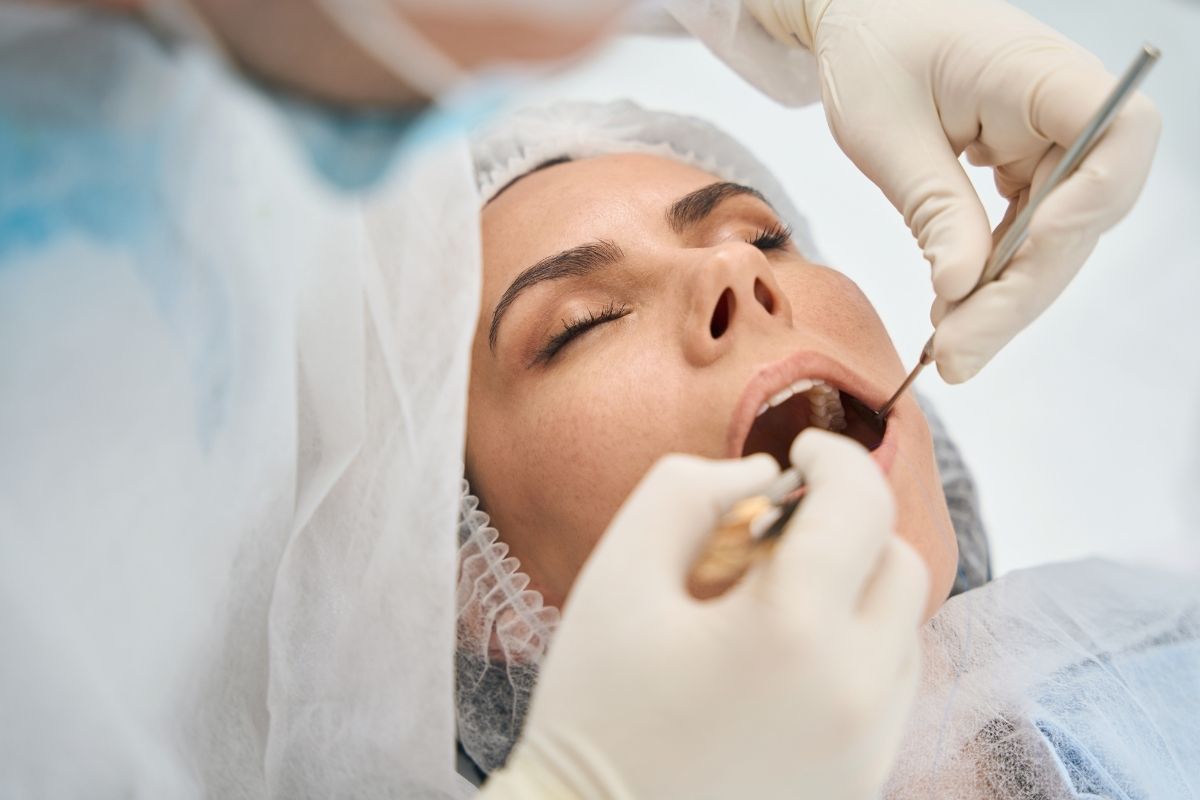
Most people think oral health problems appear suddenly, but plaque buildup tells a different story. It starts quietly, often within hours after eating, and slowly hardens into something far more stubborn. Understanding this early stage is what helps people avoid bigger dental concerns later on.
A consistent oral care routine supported by a trusted dental practitioner can make a real difference in keeping plaque from settling in too long. Once it hardens into tartar, it becomes much harder to remove with brushing alone, which is why timing matters more than most people realize.
Why Plaque Matters Before It Hardens
Plaque is a soft, sticky film made of bacteria that constantly forms on teeth. It does not wait for obvious signs before causing trouble. If it is not removed regularly, it starts affecting gum health and can lead to irritation or sensitivity.
What makes plaque tricky is how quickly it transforms. Within a short window, minerals in saliva begin to harden it, turning it into tartar that bonds tightly to the tooth surface. At that point, daily brushing is no longer enough.
How Plaque Turns Into Tartar
Daily Buildup Process
Plaque forms continuously, especially after meals or sugary drinks. When it is not removed through brushing and flossing, it starts to layer. Over time, those layers harden due to mineral deposits in saliva. This is when plaque becomes tartar, which is rough, porous, and firmly attached to teeth.
Why Brushing Alone Sometimes Misses Spots
Even with good brushing habits, certain areas are easy to miss. Along the gumline, between teeth, and behind molars are common hiding spots. When plaque stays in those areas, it has more time to harden. This is why consistency matters just as much as technique.
Habits That Keep Plaque Under Control
• Brush twice a day with steady, gentle strokes
This helps remove fresh plaque before it settles and hardens.
• Floss daily without skipping tight spaces
Flossing reaches areas a toothbrush cannot clean properly.
• Limit frequent snacking on sugary foods
Sugar feeds bacteria and speeds up plaque formation.
• Drink water throughout the day
Water helps wash away food particles and bacterial buildup.
• Pay attention to gumline cleaning
Most plaque starts building right where the gums meet the teeth.
Signs You May Already Have Tartar
Tartar does not always announce itself loudly, but there are early clues people often notice. Teeth may start feeling rough in certain areas, or gums may look slightly irritated when brushing. A persistent feeling of buildup near the gumline is another common sign.
Unlike plaque, tartar cannot be removed at home. Once it forms, professional cleaning is the only reliable way to address it fully and prevent it from continuing to collect more bacteria.
Take Charge of Your Smile Before Buildup Takes Over
Small daily choices shape long-term oral health more than anything else. When plaque is managed early, teeth and gums stay in a much healthier state, and future complications become easier to avoid.
If you want support in staying ahead of plaque buildup, Pittsford Family Dental offers care focused on prevention and long-term oral wellness. Visit our dental office in Pittsford, Pittsford Family Dental, and take a simple step toward keeping your smile healthier with guidance that fits your routine.
FAQs:
How fast does plaque turn into tartar?
Plaque can begin hardening within a couple of days if it is not removed regularly.
Can tartar be removed by brushing harder?
No. Once plaque becomes tartar, brushing alone cannot remove it.
Why does plaque build up even if I brush daily?
Some areas in the mouth are harder to reach, allowing plaque to settle and harden over time.
Is tartar harmful to gums?
Yes. It can irritate gums and contribute to inflammation if not removed.
What is the best way to prevent plaque buildup?
A consistent routine of brushing, flossing, and regular professional cleaning works best.