

585-248-5250
Are Fillings Safe for Kids? What Parents Should Know
April 27, 2026
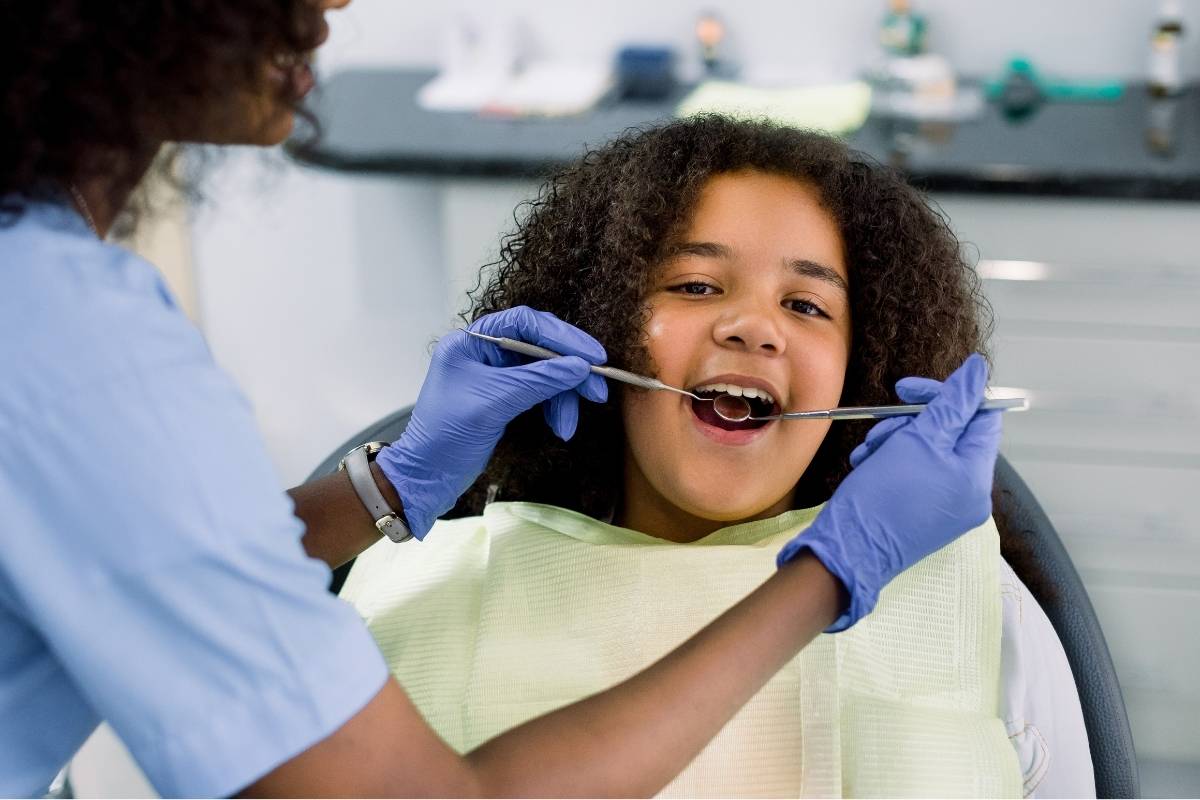
When your child has a cavity, it is natural to feel unsure about the next step. Many parents wonder whether treatment is necessary or if it can wait until the tooth falls out. The short answer is yes, treatment matters, and it is safe when done correctly. Understanding how it works can help you make a confident decision for your child’s health.
Tooth decay can move quickly in young teeth. Even small cavities can deepen and lead to pain, infection, or difficulty eating. A trusted pediatric dental specialist can guide you through safe, age-appropriate treatment options that protect your child’s smile while keeping them comfortable.
Why treating cavities early matters
Ignoring a cavity in a child’s tooth may seem harmless, especially if it is a baby tooth. But these teeth play an important role in speech, chewing, and guiding permanent teeth into place.
- Prevents pain and infection
Untreated decay can reach the inner part of the tooth, causing discomfort and possible infection. - Supports proper development
Healthy baby teeth hold space for adult teeth and help maintain alignment. - Builds positive dental habits
Early treatment helps children get used to dental care in a calm and supportive setting.
Are dental fillings safe for children?
Yes, dental fillings are widely considered safe for children. Dentists use materials that meet strict safety standards and are designed to restore the tooth while protecting it from further damage.
Modern options focus on durability and appearance. Tooth colored materials blend in naturally and bond well with the tooth structure. The procedure itself is straightforward. The dentist removes the decayed portion and fills the space to restore strength and function.
Parents often ask about materials. Today, commonly used options have been carefully tested and approved for use in children. Your dentist will recommend the best choice based on your child’s age, the size of the cavity, and overall oral health.
What to expect during the visit
Understanding the process can ease both your concerns and your child’s anxiety.
Gentle evaluation
The dentist examines the tooth and may take a small X-ray if needed. This helps determine how deep the cavity is.
Comfort-focused care
Local numbing keeps the area comfortable. Many practices use child-friendly techniques to help kids feel at ease throughout the visit.
Quick and effective treatment
The decayed part is cleaned out, and the tooth is restored. The visit is usually short, and most children return to normal activities the same day.
Tips for parents after treatment
Once the procedure is done, a little care goes a long way in keeping your child’s teeth healthy.
- Encourage brushing twice a day with a fluoride toothpaste
- Limit sugary snacks and drinks between meals
- Offer water instead of juice when possible
- Schedule regular dental checkups to catch issues early
- Pay attention to any sensitivity and follow your dentist’s advice
Common concerns parents have
Many parents worry about discomfort or long-term effects. In reality, most children tolerate the procedure well, and the restored tooth functions just like a healthy one. Addressing decay early often prevents more complex treatments later.
If your child seems nervous, talk to them in simple terms about what to expect. A positive approach can make a big difference in how they feel about dental visits.
A simple step toward a healthier smile
If you have been putting off care because of uncertainty, now is a good time to take action. At Pittsford Family Dental, the team focuses on gentle, thoughtful care for young patients.
- Friendly environment designed for children
- Clear explanations so parents feel informed
- Care plans tailored to each child’s needs
Visit our dental office in Pittsford and give your child the support they need for a healthy smile that lasts.
FAQs :
Are fillings painful for kids?
Most children feel little to no discomfort during the procedure because the area is numbed.
Do baby teeth really need treatment?
Yes, they help with eating, speaking, and guiding adult teeth into position.
How long do fillings last in children?
With good care, they can last for several years or until the tooth naturally falls out.
Can cavities come back after treatment?
They can if oral hygiene is not maintained, so daily care is important.
Is it safe to wait and watch a small cavity?
Small cavities can grow quickly, so early treatment is usually the safer option.