

585-248-5250
Can Dental Implants Get Cavities? Here’s What You Need to Know
November 27, 2025
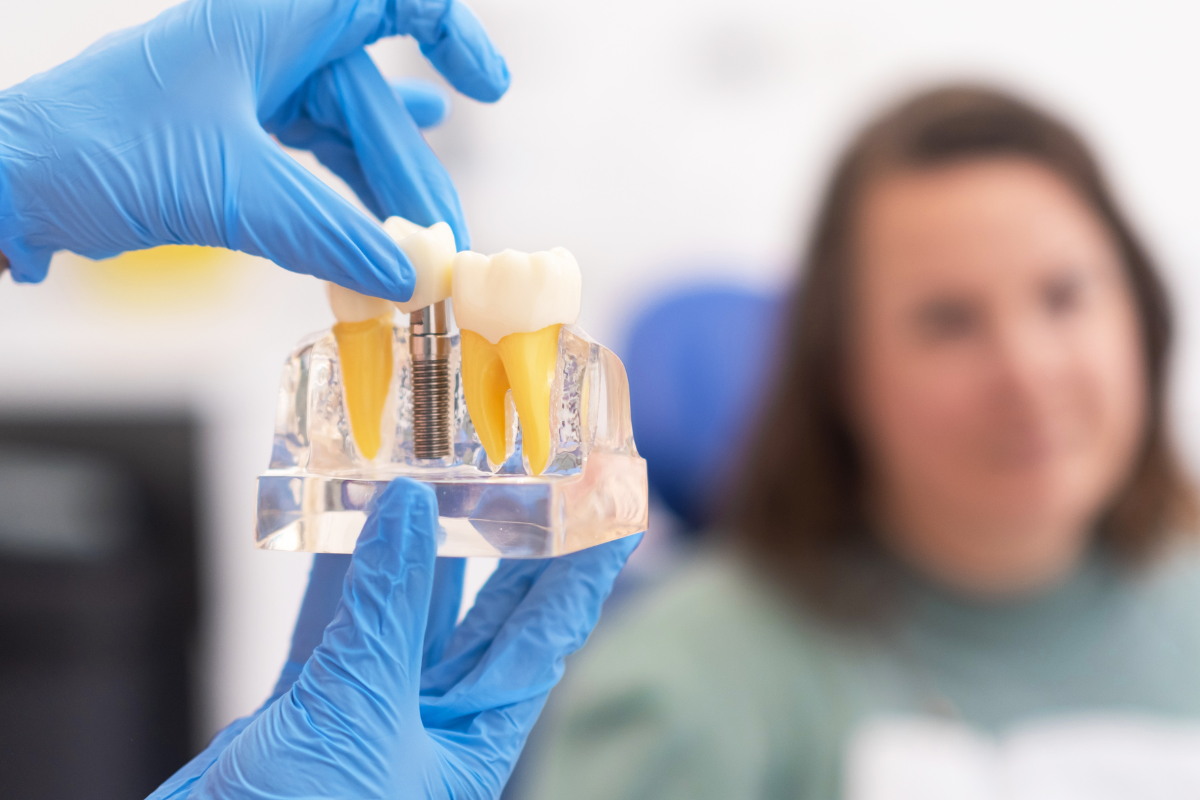
Losing a tooth can be stressful, and dental implants have become a reliable solution to restore your smile. If you’ve recently had an implant placed or are considering one, you may be wondering: can dental implants get cavities like natural teeth? The short answer is no, but there’s more to understand if you want your implant to last a lifetime.
Why Implants Don’t Get Cavities
Dental implants are different from your natural teeth. An implant is made of titanium, a strong metal, and is surgically placed into your jawbone to act as an artificial tooth root. On top of this, a custom crown made of porcelain or ceramic is attached. Since neither the implant nor the crown is made of living tissue, they do not contain enamel or dentin, the parts of a tooth where cavities form. This means the bacteria that cause decay cannot penetrate the materials of an implant.
However, this doesn’t mean dental implants are completely maintenance-free. While the implant itself won’t get a cavity, the surrounding gum tissue and the natural teeth next to it are still susceptible to infection or decay. Poor oral hygiene can lead to gum disease, which can weaken the bone supporting your implant and, in severe cases, even lead to implant failure.
How to Keep Your Dental Implants Healthy
Maintaining dental implants is very similar to caring for natural teeth. Brushing twice daily with a soft-bristled toothbrush and using non-abrasive toothpaste will keep the crown surface clean. Flossing is crucial to remove food particles and plaque between your teeth and around the implant. Using an antibacterial mouth rinse can help reduce bacteria around the gumline.
It’s also important to schedule regular dental checkups. During these visits, your dentist will examine the implant, the surrounding gums, and your bite to ensure everything is functioning properly. Professional cleanings remove plaque and tartar that you might miss at home. Remember, even though the implant itself doesn’t decay, neglecting oral hygiene can affect your overall oral health and the longevity of your dental implants.
Signs of Trouble Around Dental Implants
Keep an eye out for early warning signs of gum disease or implant issues. Red, swollen, or bleeding gums around the implant, persistent bad breath, or discomfort when chewing can signal a problem. If you notice any of these signs, it’s important to contact your dentist promptly. Early intervention can prevent more serious complications and help protect your investment in your smile.
Enjoying a Healthy Smile With Your Implants
Dental implants offer a durable and natural-looking solution for missing teeth, and while they won’t get cavities, they still need care to stay healthy. Eating a balanced diet, avoiding excessive sugary foods, and following a consistent oral hygiene routine can make a significant difference. Implants are designed to last many years, and with proper care, they can provide a lifetime of confidence and comfort.
Schedule Your Dental Implant Check in Pittsford, NY
If you have questions about your dental implants or are considering one, the team at Pittsford Family Dental can help. We specialize in placing and maintaining dental implants to ensure they remain strong and healthy for years to come. Book a consultation today to get personalized guidance and support for your smile in Pittsford, NY.
Frequently Asked Questions
Can dental implants decay like natural teeth?
No. Implants are made of materials that do not contain enamel or dentin, so cavities cannot form.
Can I still get gum disease around my implant?
Yes. Gum tissue around the implant can become inflamed or infected if proper oral hygiene is not maintained.
How often should I have my dental implants checked?
It’s recommended to have implants examined at least twice a year during regular dental checkups, or more often if your dentist advises.
What can damage a dental implant?
Neglecting oral hygiene, severe gum disease, or trauma to the area can compromise the implant’s stability.
Are dental implants permanent?
With proper care, dental implants can last for decades and often for a lifetime.