

585-248-5250
The Role of Nutrition in Dental Implant Success
December 17, 2024
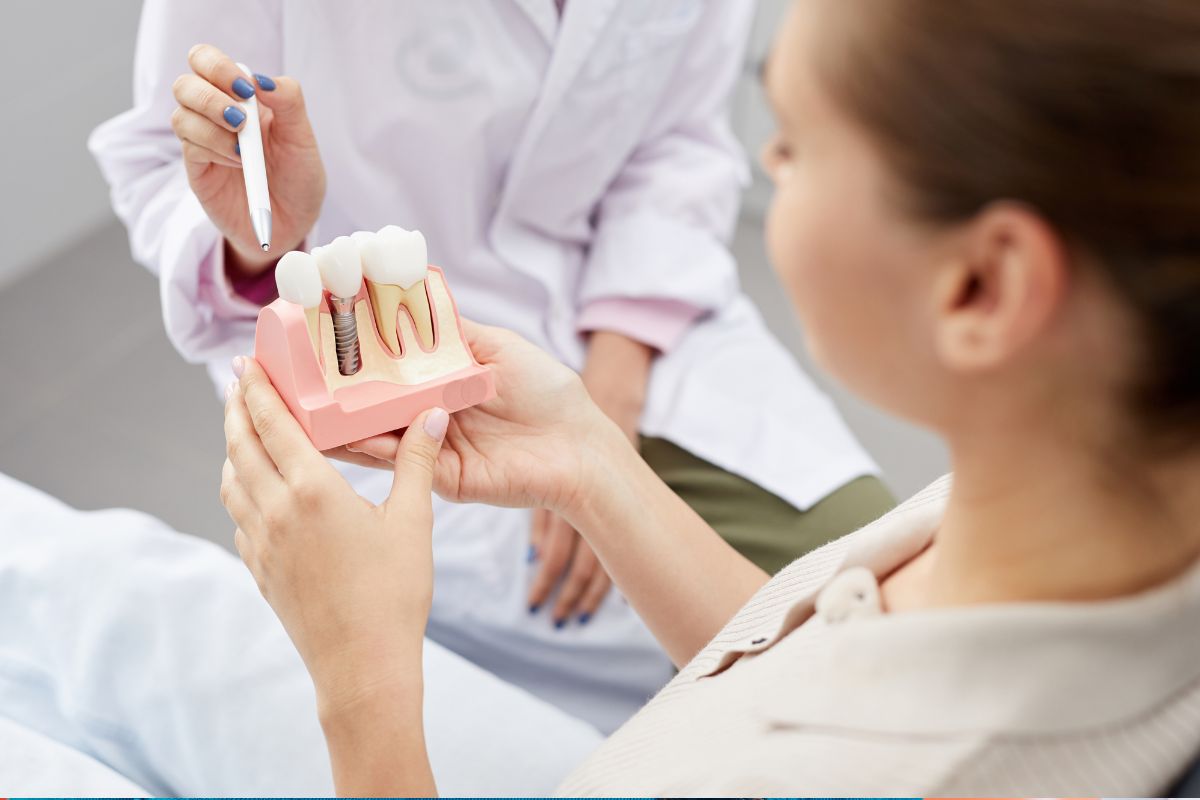
Dental implants have become a highly effective and long-term solution for individuals with missing teeth. While factors like oral hygiene, surgical precision, and proper post-operative care are widely discussed, nutrition plays a critical yet often overlooked role in the success of dental implants. Proper nutrition can promote faster healing, improve bone integration, and ensure long-term implant stability.
In this blog, we will explore how diet impacts dental implant success, key nutrients to focus on, and the importance of maintaining a healthy lifestyle before and after the procedure.
How Nutrition Impacts Dental Implant Success
Dental implants rely on a process called osseointegration, where the titanium post fuses with the jawbone. For this process to succeed, the body must be in optimal condition, capable of healing and generating new bone. Nutrition plays a key role in ensuring:
- Proper Bone Healing – Adequate nutrients support bone regeneration and tissue repair around the implant.
- Immune System Strength – A robust immune system helps prevent infections that could compromise the implant.
- Reduced Inflammation – Proper nutrition helps control inflammation, promoting faster recovery.
- Long-term Bone Density – Nutrients like calcium and vitamin D are crucial for maintaining strong bones and ensuring implant longevity.
Neglecting proper nutrition can lead to delayed healing, poor bone integration, and even implant failure in some cases.
Key Nutrients for Dental Implant Success
Several nutrients play an essential role in the healing process and success of dental implants. Below are the most important ones to include in your diet:
1. Protein
Protein is essential for tissue repair and regeneration. It aids in the production of collagen, a protein crucial for forming connective tissue and supporting the healing process.
- Sources: Lean meats, fish, eggs, beans, tofu, and dairy products.
2. Calcium
Calcium is vital for bone health and density. It helps ensure that the jawbone can support the dental implant effectively.
- Sources: Milk, yogurt, cheese, leafy greens, almonds, and fortified plant-based milk.
3. Vitamin D
Vitamin D works hand-in-hand with calcium by improving its absorption. It also supports immune function and reduces inflammation.
- Sources: Fatty fish (salmon, tuna), fortified milk, eggs, and sun exposure.
4. Vitamin C
Vitamin C is critical for collagen production and tissue repair. It also strengthens the immune system to protect against post-surgical infections.
- Sources: Citrus fruits, strawberries, bell peppers, broccoli, and tomatoes.
5. Omega-3 Fatty Acids
Omega-3 fatty acids reduce inflammation, which helps speed up healing and prevents complications around the implant site.
- Sources: Fatty fish, flaxseeds, chia seeds, and walnuts.
6. Zinc
Zinc supports wound healing and strengthens the immune system, reducing the risk of infection during the recovery phase.
- Sources: Meat, shellfish, nuts, seeds, and legumes.
7. Iron
Iron promotes oxygen delivery to healing tissues, speeding up recovery after implant surgery.
- Sources: Red meat, poultry, spinach, lentils, and fortified cereals.
Foods to Avoid for Dental Implant Success
While consuming nutrient-rich foods is essential, avoiding certain foods is equally important to protect your dental implants and ensure successful healing:
- Sugary Foods and Beverages: Sugar promotes bacterial growth and inflammation, which can lead to infections around the implant site.
- Processed Foods: Processed foods lack essential nutrients and often contain high levels of unhealthy fats and sodium.
- Sticky or Hard Foods: These can damage the implant site during the healing phase and interfere with osseointegration.
- Alcohol and Tobacco: Both substances impair blood flow, delay healing, and increase the risk of implant failure.
Pre- and Post-Surgery Nutrition Tips
Before Surgery:
- Focus on consuming a balanced diet rich in proteins, vitamins, and minerals to prepare your body for the procedure.
- Stay hydrated to maintain optimal tissue health and blood flow.
- Avoid alcohol and tobacco in the weeks leading up to your surgery.
After Surgery:
- Stick to soft foods like yogurt, smoothies, mashed potatoes, and soups for the first few days.
- Gradually reintroduce nutrient-rich solid foods as your implant heals.
- Continue to avoid sugary, sticky, and hard foods during the recovery phase.
- Follow your dentist’s recommendations and ensure your diet includes the key nutrients mentioned above.
Long-term Nutrition for Dental Implant Longevity
Even after the healing phase, maintaining proper nutrition is crucial for the long-term success of your dental implants. A balanced diet ensures strong bones, healthy gums, and a robust immune system, all of which contribute to implant stability.
- Stay Hydrated: Water helps flush away food debris and bacteria, promoting good oral health.
- Eat Calcium-Rich Foods: Support long-term bone density with consistent calcium intake.
- Incorporate Omega-3s: Reduce inflammation and maintain gum health.
- Limit Sugar and Acidic Foods: Prevent gum disease and protect surrounding teeth.
Conclusion
Nutrition plays a significant role in the success of dental implants, from the initial healing process to long-term stability. By incorporating essential nutrients like protein, calcium, vitamin D, and omega-3 fatty acids into your diet, you can support osseointegration, promote faster recovery, and ensure the longevity of your dental implants. Combine a healthy diet with proper oral hygiene and regular dental visits for the best results.
Prioritizing nutrition is not just about dental implants—it’s about improving your overall health and well-being.